The square that changed its faith
5 of 5The square that changed its faithBasler MünsterFor centuries this was a Catholic cathedral and the seat of a prince-bishop. In 1529 that ended, and you can still feel the change inside.
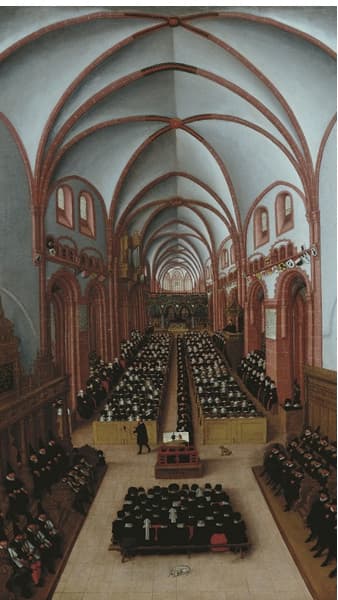
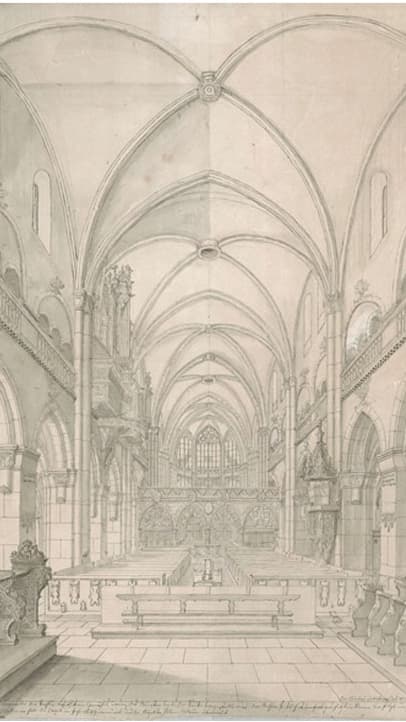
In February of that year, Basel joined the Reformation. The images came out of the Münster: altars were dismantled, statues removed, and the painted walls brushed over with plain whitewash. The bishop's canons packed up and left for Freiburg, across the border. The former cathedral passed into the hands of the city, which has cared for it ever since, and it became the main church of Basel's Reformed faith. That's why the interior feels so calm and pared-back today — the colour and gold were deliberately cleared for a plainer kind of worship. A new communion table, made in 1580, quietly took the place of the old high altar.
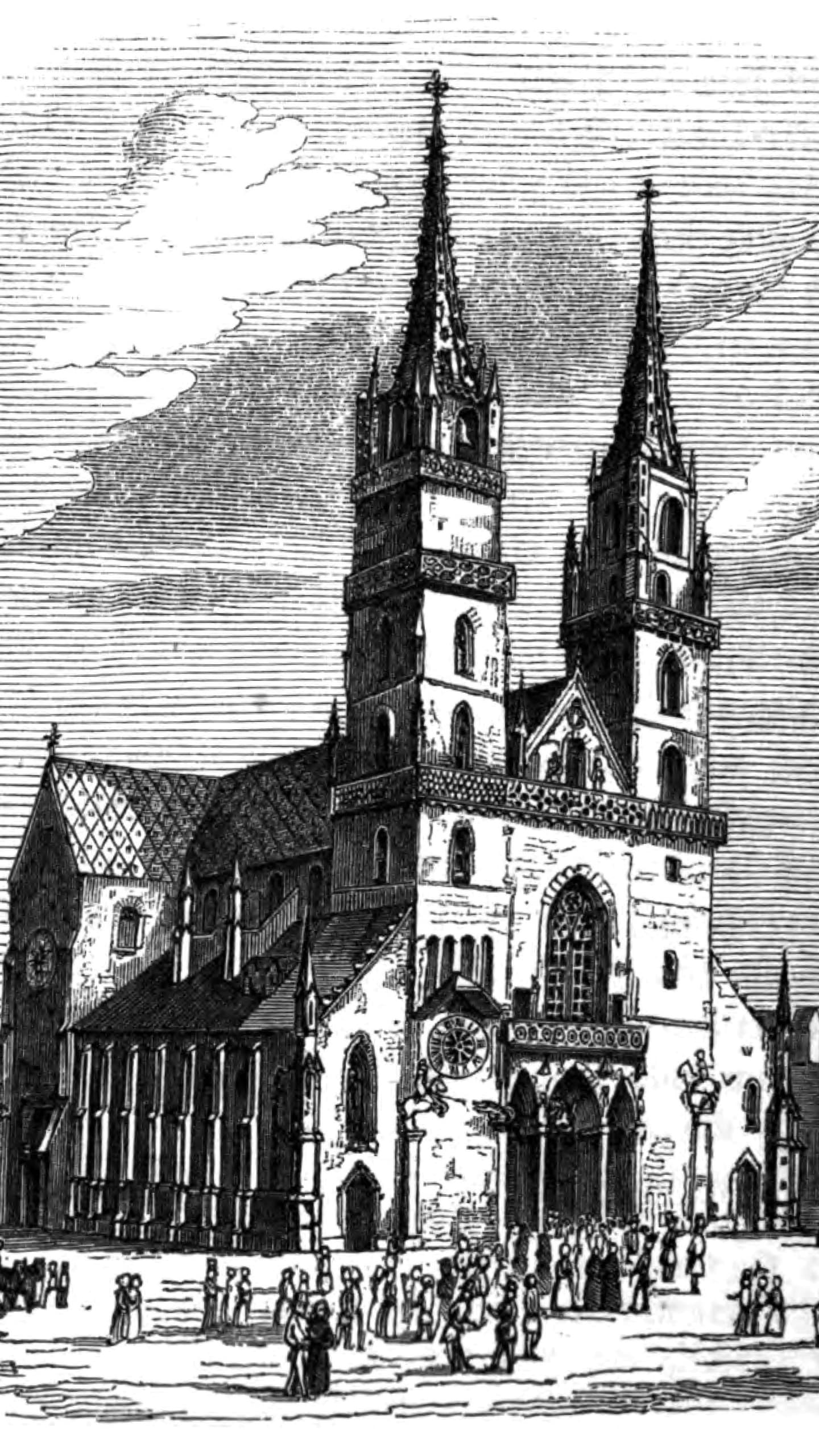
Now think about the square outside. The Münsterplatz was once anything but public. In the Middle Ages it was the bishop's own walled precinct — "auf Burg," on the fortified hill — with its own laws. Processions crossed it, courts sat on it, public proclamations were read out on it, and it even hosted markets and knightly tournaments right beneath the cathedral walls.
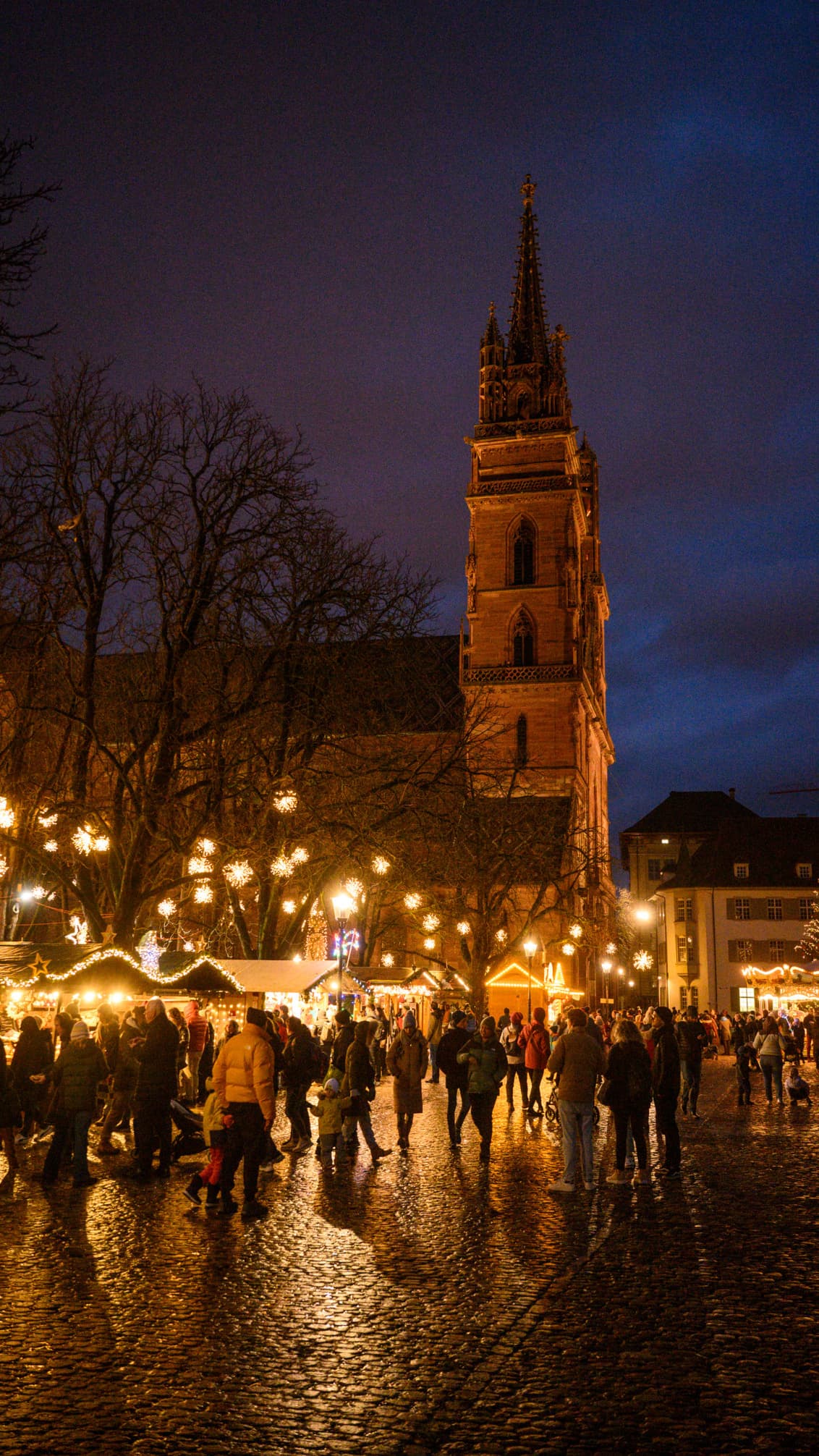
Today it belongs to everyone. It's one of Basel's favourite gathering places, a stage for open-air concerts — and every autumn the historic Herbstmesse fair rolls in and fills it with rides, roasted almonds and happy noise. The bishop's private courtyard has become the city's shared living room.
Two moments on the same few square metres: the year Basel stripped its cathedral back to bare stone, and the centuries of ordinary life that have played out on the square since. Next time you cross the Münsterplatz, you're walking on both.